

WSJ reports proponents of electric vehicles and renewable energy see motorcycles as the fastest way to promote inexpensive, clean-energy transportation in Africa, where roads are often traffic-clogged and potholed.
Bikes and utility automobiles of every type are the fastest-growing sectors of the African automotive market. According to the United Nations Atmosphere Program, gross sales of electrical and conventional two- and three-wheelers in Africa will expand 50% by 2050.
Micro-mobility continues to expand.
People watching is the magic ingredient for restaurants
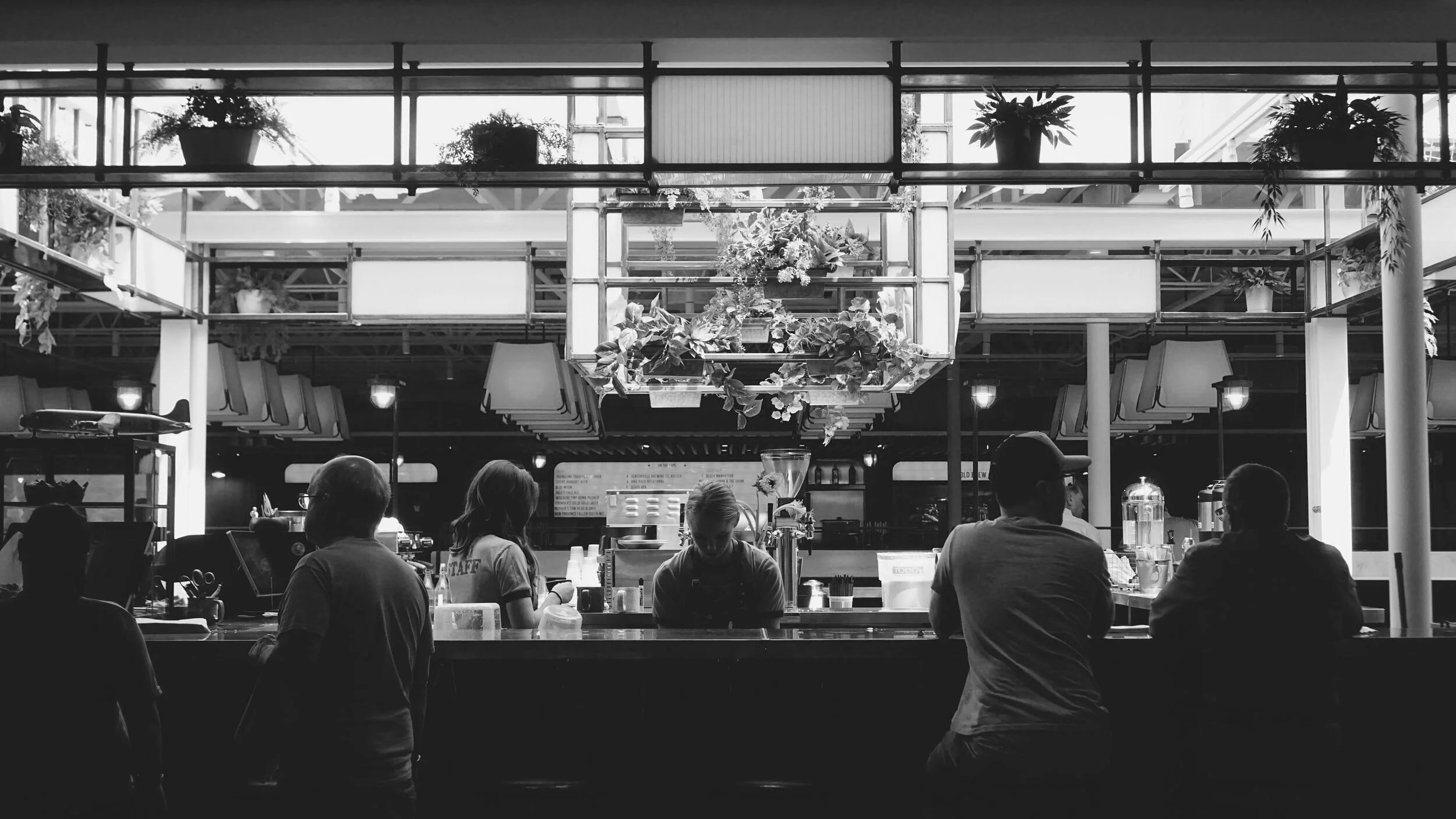
As New York City allows full-scale indoor dining, it's clear that the magic ingredient was the unexpected thrill of seeing other people.
Pete Wells writes in the NYT, so many modern restaurant interiors are designed around their bars that we take their contribution for granted. All those shakers clattering and bar stools swiveling and bartenders reaching for a bottle or a rag; the customers sitting down and getting up again: Bars are perpetual motion machines that help turn the larger, slower gears in the dining room.
What people-watching tactics are you adding to your marketing and communications?
The University of California will no longer consider SAT and ACT scores

NYT reports the university system has reached a settlement with students to scrap even optional testing from admissions and scholarship decisions. The change comes as part of a settlement brought on by a group of high school students and nonprofit groups who claimed the standardized tests put minority and low-income students at a disadvantage.
Some 225,000 undergraduate students attend University of California schools. The settlement makes the system the largest and best-known American institution of higher education to distance itself from using the two major standardized tests.
Look for less acceptance based on standardization.
CEO + corporate expectations: Good data here.
Plus relevant to anyone having C-suite conversations on the expectations from various stakeholders of their leaders and institutions to address civic and political issues.
According to this year's spring update to the Edelman Trust Barometer, mistrust is continuing to grow in a world still very much in the grips of the COVID-19 pandemic.
The decline of trust across all institutions persists, according to the online survey of more than 16,800 people in 14 markets around the world from April 30 to May 11. The index also referenced data from earlier Edelman surveys and, in some cases, made comparisons among subsets of data from the overall research.
Government trust surged 11 points to an all-time high of 65 percent, making it the most trusted institution for the first time in our 20 years of study.
Plus, people expect corporations and CEOs to continue addressing the most pressing social and political issues even after the pandemic is over.
Other highlights:
+ Businesses are now the most trusted institution in the world, a role they assumed mid-way through the pandemic once people realized governments were ill-equipped to develop and roll out vaccines alone.
+ Globally, the majority (60%) of people say their country will not be able to overcome its challenges without business' involvement.
+ Most people (77%) said their employer had become their most trusted institution, which has put much more pressure on CEOs to prioritize societal and political issues in addition to business outcomes.
+ Roughly 80% of employees, on average, expect their company to act on issues such as vaccine hesitancy, climate change, automation, misinformation, and racism.
You can access the updated analysis from Edelman here.