Brigadoon Weekend = Global Street Smarts
March 20, 2021
Formula One
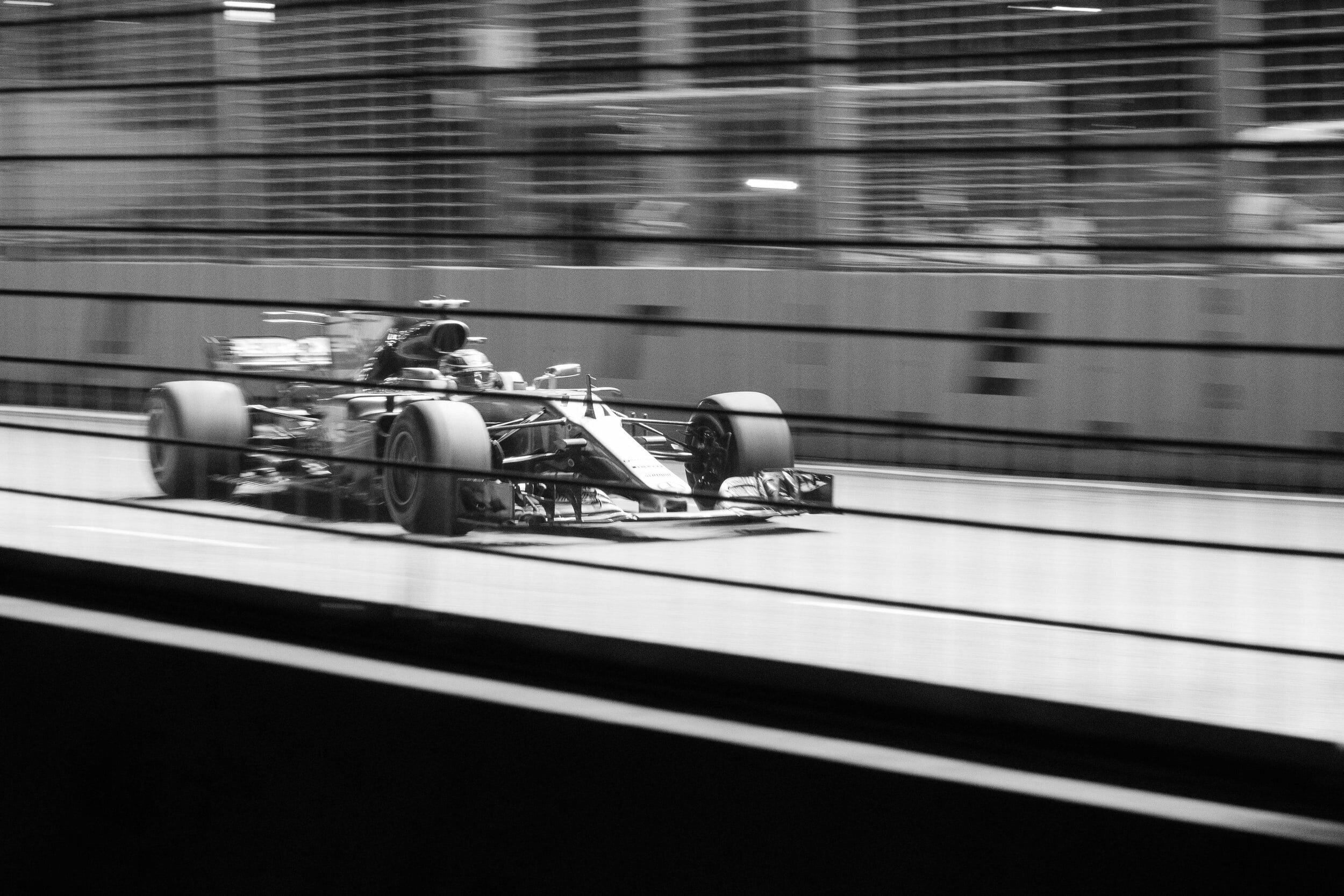
I saw Lewis Hamilton win a race by 18 seconds.
Lewis Hamilton is a British racecar driver who competes in Formula 1 for Mercedes-AMG Petronas Motorsport for those less continental amongst us.
He is a seven-time Formula 1 World Champion and is considered the best driver of his generation, and for some, one of the greatest drivers in the history of the sport.
To win in Formula 1, a racecar driver needs several elements.
A top-flight engineering team, buckets of financing, luck, and world-class talent - an ecosystem essentially.
Matched with handling adroitness, engineering knowledge, plus the ability to communicate seamlessly with a team of engineers and marketers, today's F1 drivers are equal parts practitioner and visionary.
In 2019 I watched as Hamilton powered his car to first place at the Circuit Paul Ricard to win the French Grand Prix.
He beat his teammate Valtteri Bottas in a sister racecar by only 18 seconds.
In post-race remarks, Hamilton said: "I couldn't do it without the team. We are creating history together, and I am so proud to be a part of it. I am happy."
Following his defeat, Bottas said: "It is something I need to have a look at. He [Hamilton] is not unbeatable; I know that, I just need to work hard."
At that point of the season, they were eight races down and thirteen more to go, Hamilton was well-positioned to secure his then sixth world championship and stake his claim to the greatest of all time (spoiler alert, he did win the world championship in 2019).
Statistically speaking, Michael Schumacher is the greatest driver of all time. However, in 2016, Dr. Andrew Bell and his team from the University of Sheffield proclaimed five-time world champion Juan Manuel Fangio as the greatest Formula 1 driver of all time.
Examining data including the F1 team the driver was racing for, how good that team was at the time, the driver's performance relative to their teammate, plus how competitive the race competition has shaped this conclusion.
So why does this all matter to you?
It highly unlikely you will compete in Formula 1, let alone do more the 85 MPH on the interstate.
And yes, racecar drivers are not ordinary people.
For one, they are more economical in managing their performance, ensuring their high level of performance can be sustained for a more significant period of time.
But how a driver performs can be learned and applied to even those working in more sedentary industries.
Motorsports' physical side cannot be underestimated, but getting a grasp on the mind can have an immense impact.
Coupled with a team and proper capital, we are all F1 drivers of some fashion.
All of us are competing in motorsport.
All of us, to go faster, can add horsepower, eliminate distractions, or reduce friction.
All of us, to compete, can add team members, increase revenue, or reduce expenses.
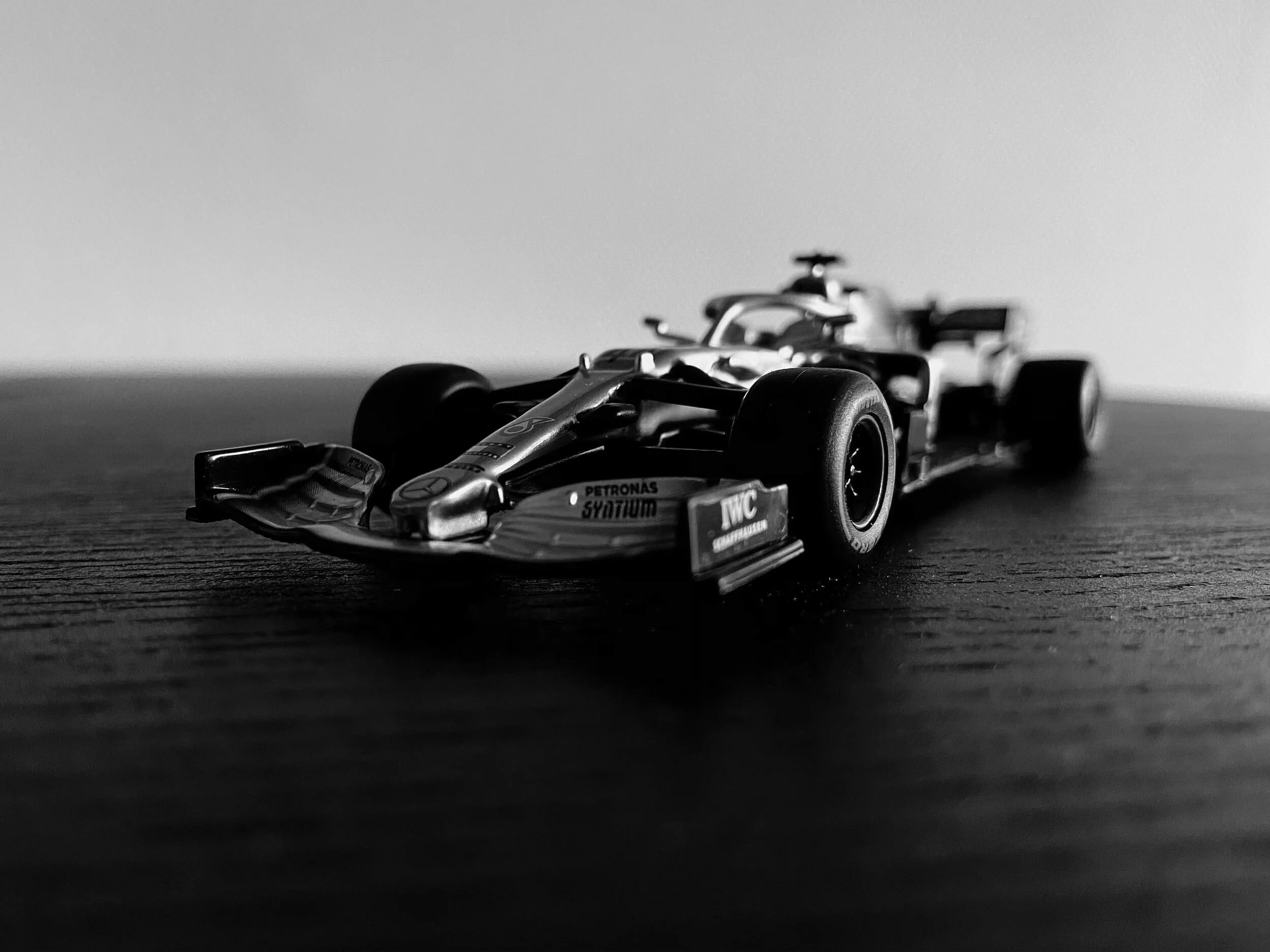
Like an F1 car, you can make it go faster with less weight, added horsepower, or better aerodynamics.
Combining the talents and tactics of driver and team, any racecar can be tweaked, enhanced, improved, and prepped for the next race.
To get a real sense of the sport, check out the third season of Drive to Survive dropping this weekend on Netflix.
Looking back at those 2019 post-race comments, Hamilton talked team, while Bottas stressed I.
Maybe Bottas was taking on the challenge and the responsibility himself, but I would feel better if he stressed the team.
Even the best driver in the world needs a team to win a world championship.
A top-flight engineering team, buckets of financing, luck, and world-class talent - an ecosystem essentially.
Do you have an ecosystem to win?
Your ecosystem may only be 18 seconds better, but that is all you might need to be considered the greatest.
FORMULA ONE DEEP DIVE
F1 at 70: Incredible stories by the sport's greatest writers by MotorSport.
A look back at Formula One's incredibly stylish golden age: Samuel Hine writes the 1960s F1 was fast, dangerous, and insanely cool.
The art of speed: Bringing Forumla One to America by Ben McGrath.
Re-live the forgotten history of Formula 1 in Detroit by Roger Hart.
In the fast lane with Daniel Ricciardo by Lars Brandle.
Formula One's legacy at the Indianapolis 500: Elizabeth Werth writes a brief history of Formula One's relationship and the Greatest Spectacle in Racing.