The 60 Minutes broadcast from May 17 covered a topic I keep circling back to.
In London, Waymo is putting robotaxis on the road. The British startup Wayve, backed by Nvidia and Microsoft, is training its AI without first mapping the city. Waymo says its "driver" is now five times safer than a human and clocks two million miles per week across eleven US cities. Both want commercial ventures running in London by year-end.
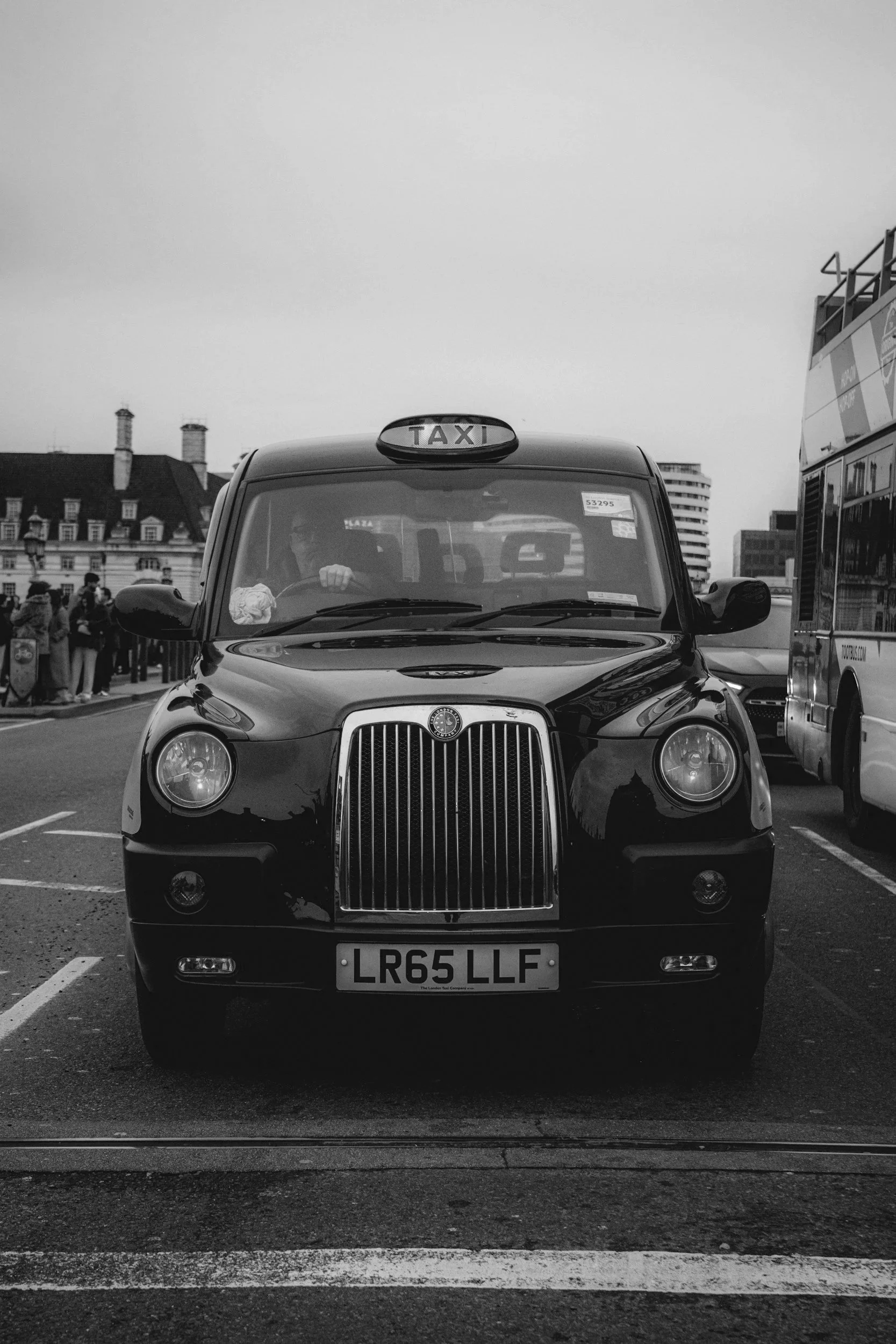
The London black cab fleet has shrunk from 25,000 drivers a decade ago to 16,000. To get behind the wheel, candidates still pass The Knowledge exam, a 161-year-old test that requires memorizing 25,000 streets and 6,000 points of interest. University College London neuroscientists have documented that the posterior hippocampus physically enlarges over a cabbie's career. The brain rewires around their craft.
The human vs. machine topic is one I can't stop thinking about. The cabbies have brain-altering mastery and a shrinking platform. The technologists have scale, data, and capital, but cannot speak the language of regulators or the affected public when their cars drive through active police scenes.
Every industry I work with is somewhere on this curve. Heritage incumbents are losing distribution. Frontier challengers winning on metrics and losing on trust. Regulators, tourists, employees, and the public are sorting out which side they believe.
This is the question I am exploring. When the algorithm becomes measurably safer than the expert, the expert does not disappear. The role changes. The cabbies, the doctors, the lawyers, the financial advisors all live somewhere on the same curve.
When the technology surpasses the craft, what is the craft for?
Enjoy the ride + Plan accordingly.
-Marc A. Ross
Founder @ Brigadoon
Brigadoon | Know what's next.