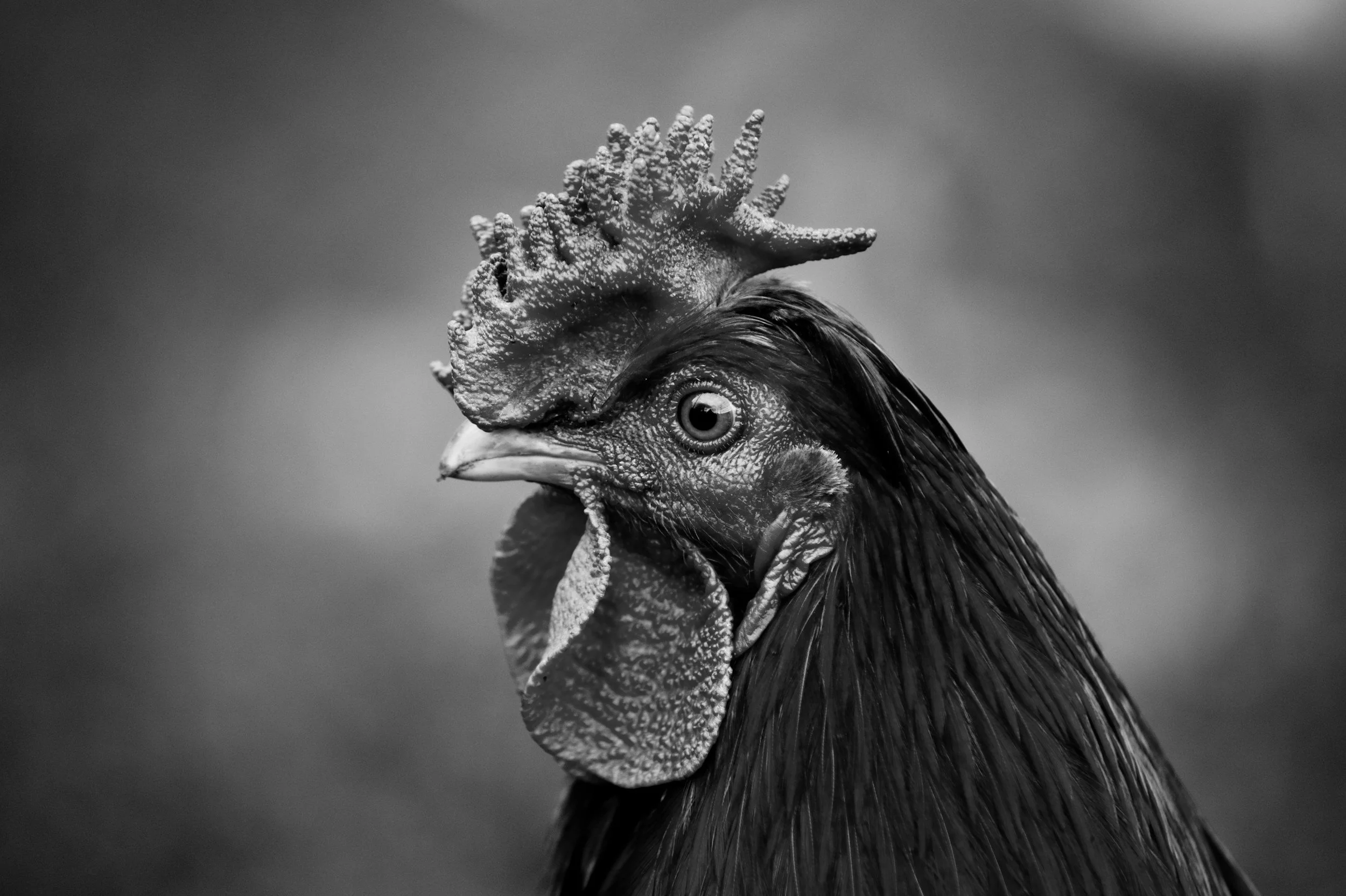
For decades, American poultry producers exported their dark meat. Russia wanted it. Mexico wanted it. Asia wanted it. Americans did not.
The dark meat stigma was stubborn and largely unfounded: white meat was lean, white meat was clean, white meat was correct. The industry complied, and a generation of home cooks dutifully pulled apart dry chicken breasts over their kitchen sinks.
Then something shifted. Immigration patterns changed the composition of American neighborhoods and, in turn, American menus. Food media eroded the authority of old nutritional myths. Beef prices climbed. And the boneless chicken thigh, long exported and undervalued, became one of the fastest-growing proteins in the country. Double-digit volume growth across food service. A 93% price increase on bone-in dark meat in five years. Sweetgreen, Chipotle, Cava, and the halal cart on the corner all telling the same story.
Chef Eric Huang, who trained at Eleven Madison Park, put it plainly: kimchi used to get kids teased. Now it is at Whole Foods.
What strikes me about the chicken thigh story is not the reversal itself, but the mechanism. No single actor drove it. No campaign, no mandate, no viral moment. It happened through the slow accumulation of demographic change, cultural contact, economic pressure and chefs willing to say out loud what they had always known. The market did not lead. It followed.
That pattern shows up everywhere, once you start looking for it.
When the mainstream finally catches up to what a subculture already knew, who actually deserves the credit, and what does that tell us about how change actually happens?
-Marc
+ Brigadoon organizes gatherings for founders, investors, journalists, doctors, designers, architects, and civic leaders. No PowerPoints, no panels, no name tags. Just a deliberately varied group in conversation, with radical curiosity as the only agenda, and an honest acknowledgment that the ROI is unknown, and that is exactly the point.