Brigadoon Daily = September 2, 2020

2.jpg

The rising prevalence of dementia is a global emergency: It requires more research, better provision for long-term care, and changes in individual behavior.
Economist

Study: Black turbine blades reduced bird mortality by 72%
E&E News

Cultural innovation
Douglas Holt

“Think like a cultural entrepreneur.”

Goodbye to the ‘Pret economy’ and good luck to whatever replaces it: Cities will not die — their benefits could become more diffuse, with well-paid workers spread into the rest of the country.

Sarah O'Connor

‘The hardest commercial I have ever edited.’ How Nike created its split-screen masterpiece: The ad required extensive creative planning—and more than 1,000 hours of compositing.
AdWeek

Longevity linked to proteins that calm overexcited neurons: New research makes a molecular connection between the brain and aging — and shows that overactive neurons can shorten life span.
Quanta Magazine

Brigadoon Daily = September 1, 2020

1.jpeg

The case for adding 672 million more Americans
NY Mag

Urban exiles are fueling a suburban housing boom across the US: Low mortgage rates and the emerging COVID-era lifestyle spark a surge in demand in California’s Inland Empire and other bedroom communities.
Bloomberg

God is dead. So is the office. These people want to save both: Divinity consultants are designing sacred rituals for corporations and their spiritually depleted employees.
NYT

COVID-19 is changing key business relationships: That makes this crisis different from past ones.
Waverly Deutsch

Google performed the first quantum simulation of a chemical reaction
NewScientist

How Hollywood should deal with Chinese censors: Upholding freedom of speech means leaving the studios alone.
Economist

4 Scandinavian habits for a healthier life
David Nikel

Brigadoon Member | Monthly Call

These calls are 45-minute moderated discussions with fellow Brigadoon Members led by a subject matter expert in an emerging issue shaping commerce and culture

The guest speaker will make opening remarks for ten minutes and take questions for the balance of the call.

All calls happen using Google Meet and are limited to Brigadoon Members with a few handpicked guests.

Just like all Brigadoon gatherings, Brigadoon House Rules govern the session. The call is powerpoint free, the recording is private, and participants are free to use data from the discussion but are not allowed to reveal who made any comments or participated.

Below is the upcoming schedule - please add these to your agenda.

Wednesday - September 16 @ 2:00 pm ET

Wednesday - October 21 @ 2:00 pm ET

Wednesday - November 18 @ 2:00 pm ET

Wednesday - December 16 @ 2:00 pm ET

If you can't attend the session live, you can listen to the session on-demand via a private Brigadoon webpage.

Thanks, and happy to answer any questions.

-Marc

Brigadoon Daily Rundown = July 27, 2020

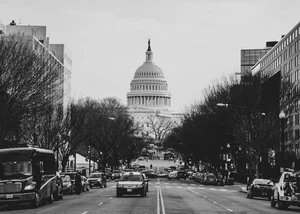
DC.jpeg

In 2000, ‘Cribs’ became a phenomenon. 20 years later, we’re all living in an accidental reboot. https://wapo.st/2CQAM4E

How Carlos Ghosn escaped Japan, according to the ex-Green Beret who snuck him out: When the auto king fled house arrest, he captivated the world. Now, the guy who helped him is in jail—and never got paid a dime. https://bit.ly/2OVLGIS

Stumbling blocks and obstacles: How to overcome creative ruts: Strategies from creatives on how to get unstuck and move forward in your work. https://adobe.ly/2ZYXxMJ

Why creativity is the strongest economic currency https://bit.ly/3joToZV

Is there life on Mars? A new generation of spacecraft may soon find out. https://econ.st/2CzjsRy

How Ben & Jerry’s perfected the delicate recipe for corporate activism: Other companies tried to align themselves with the Black Lives Matter protests and failed. The Vermont creamery kept doing what it’s always done. https://bloom.bg/2X1SAAD

What if working from home goes on … forever? https://nyti.ms/3ha4DEp

Companies start to think remote work isn’t so great after all: Projects take longer. Collaboration is harder. And training new workers is a struggle. ‘This is not going to be sustainable.’ https://on.wsj.com/2Ep8lLB